Industry 03
Industry & process
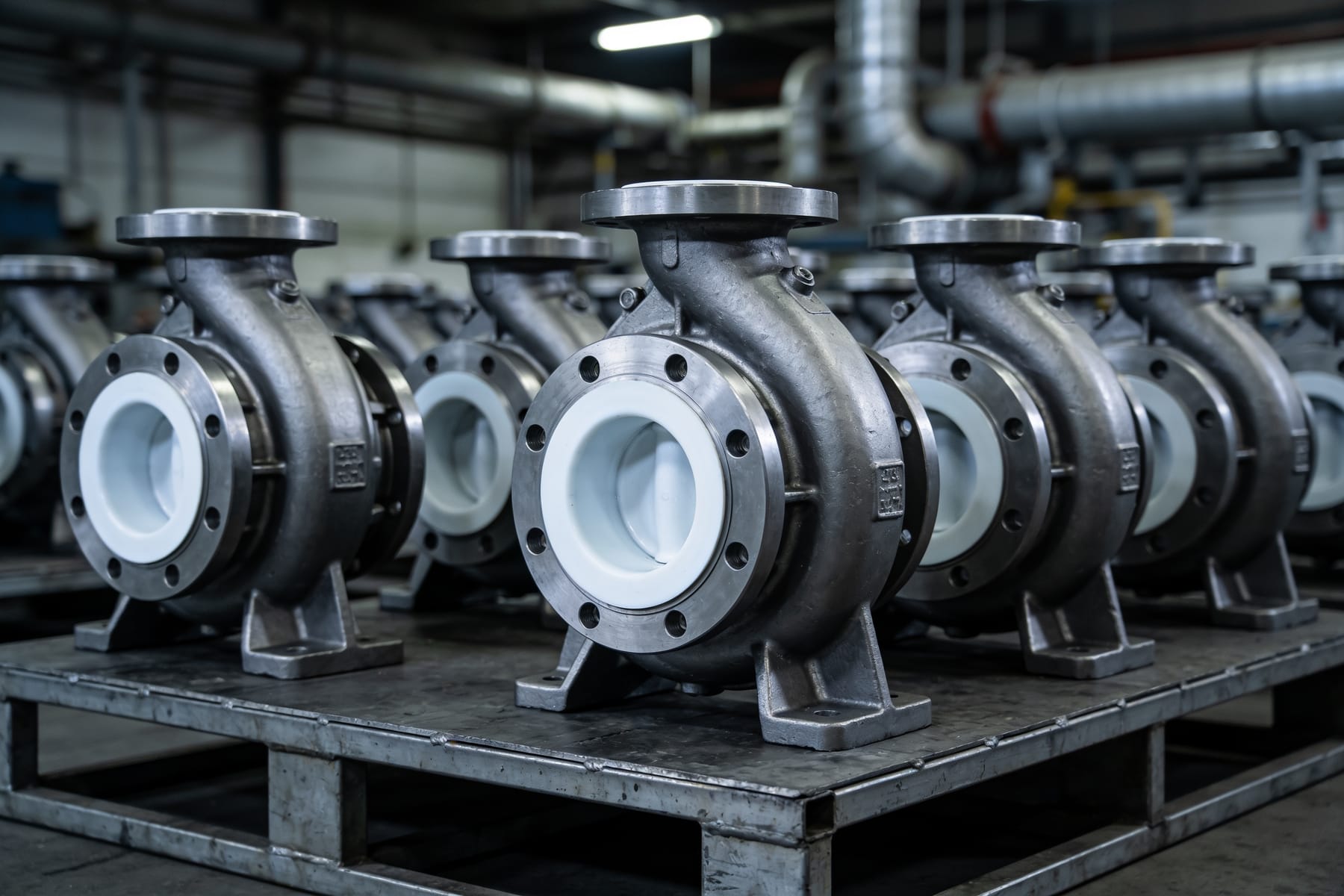
Housings, covers and load-bearing components for pumps, valves and process equipment — where tightness and accuracy decide.
The challenge
A casting that has to hold pressure sets requirements that start long before the machine: wall thickness, gate placement and cooling in the tool decide whether the part is tight or not. Discovering porosity at pressure testing is too late and too expensive.
What we do
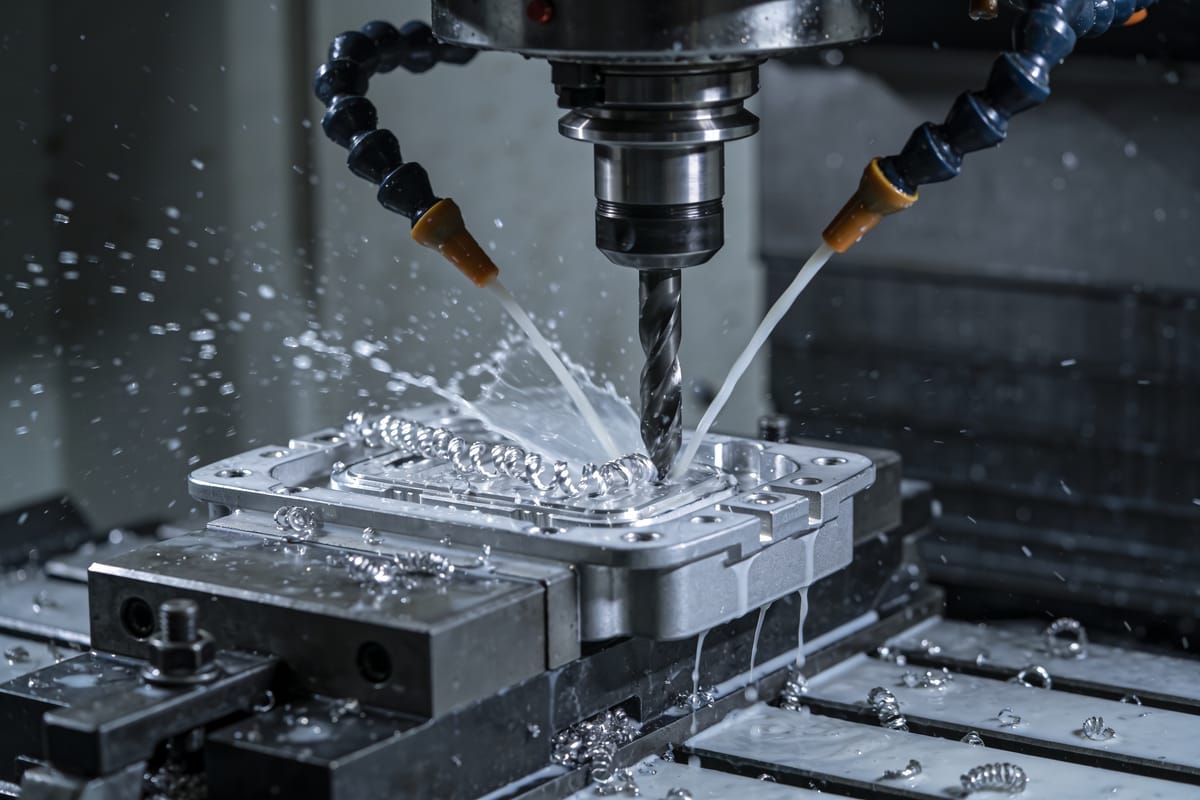
We review the geometry before the tool is ordered and design for a controlled filling sequence. Then we machine the sealing faces in-house, with fixtures designed for that specific part.

Requirements we meet
- Design support for pressure-bearing castings
- Tight sealing faces and flat flanges
- Complete machining in few set-ups
- Inspection reports on critical dimensions
- Robust series with consistent quality over time
Typical parts
- Pump housings
- Valve bodies and covers
- Flanged connections
- Load-bearing machine components
Capabilities
Related services
Die casting
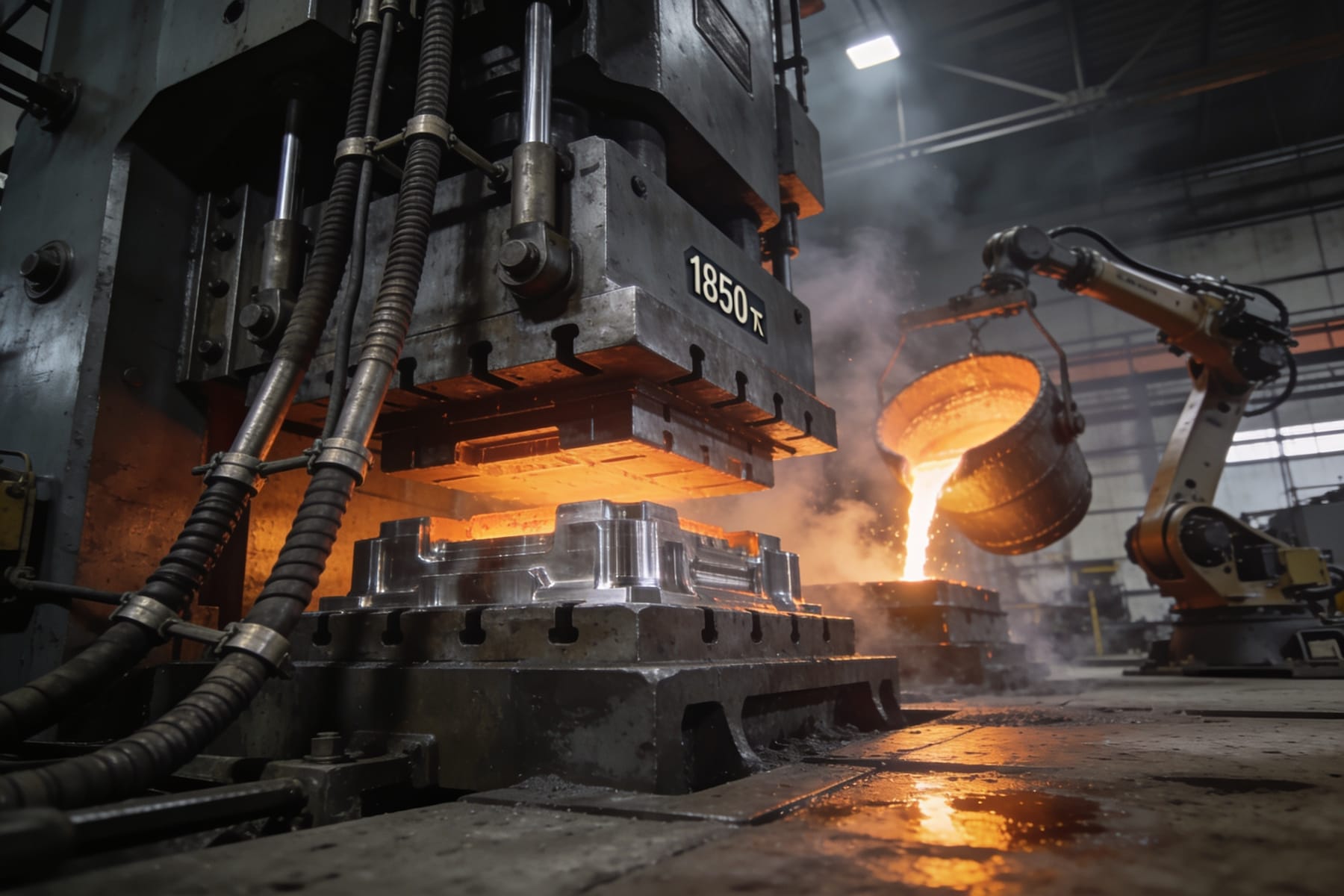
The foundry machine park allows us to produce parts from 5 grams up to around 25 kilos. Clamping forces range from 320 to 1,850 tonnes. All casting cells are robot-tended, which secures high productivity, flexibility and quality.
CNC machining
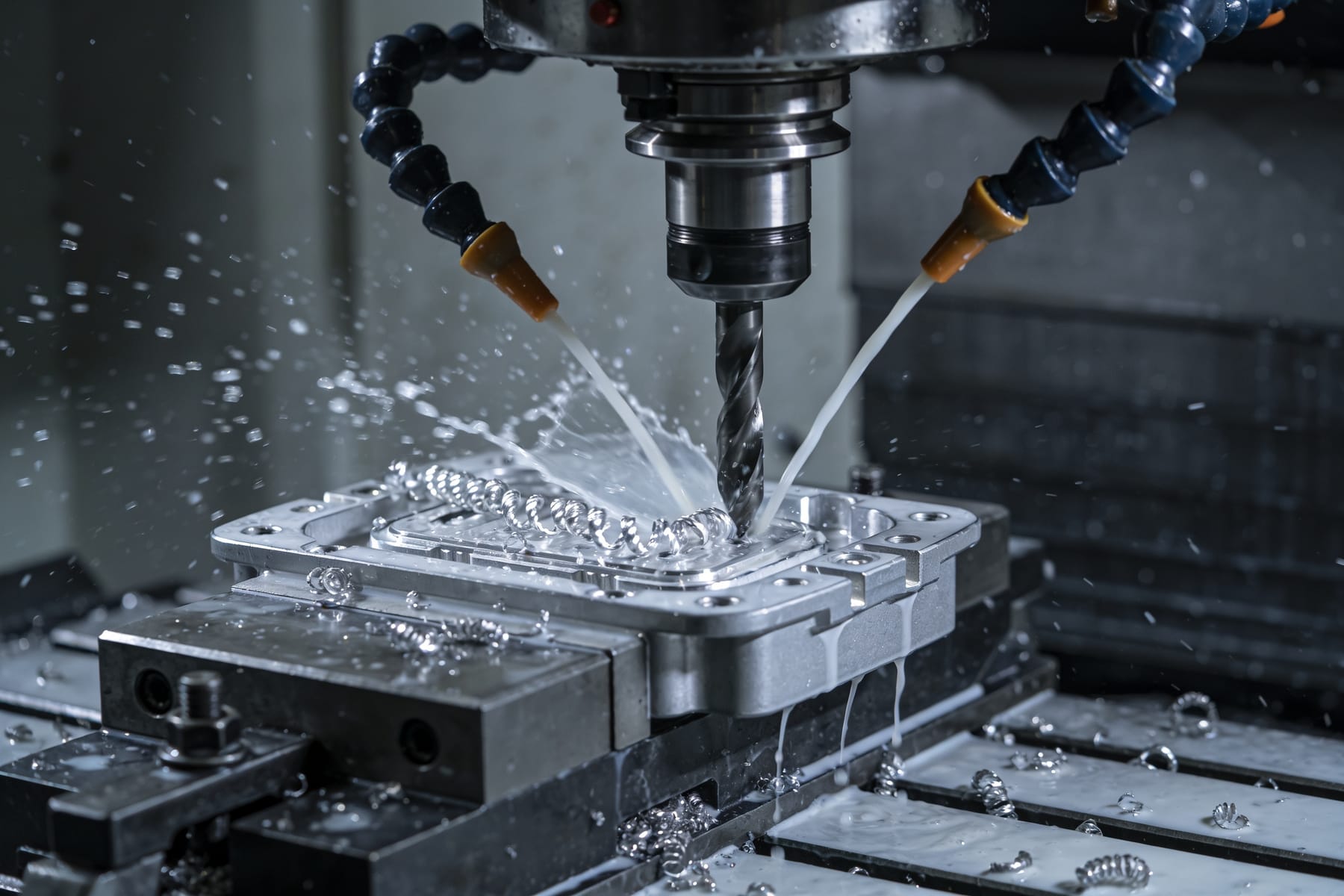
Our machining department runs both vertical and horizontal machining centres with up to 40 tool stations each. For efficient, high-quality precision work we also have multi-tasking lathes with driven tools.
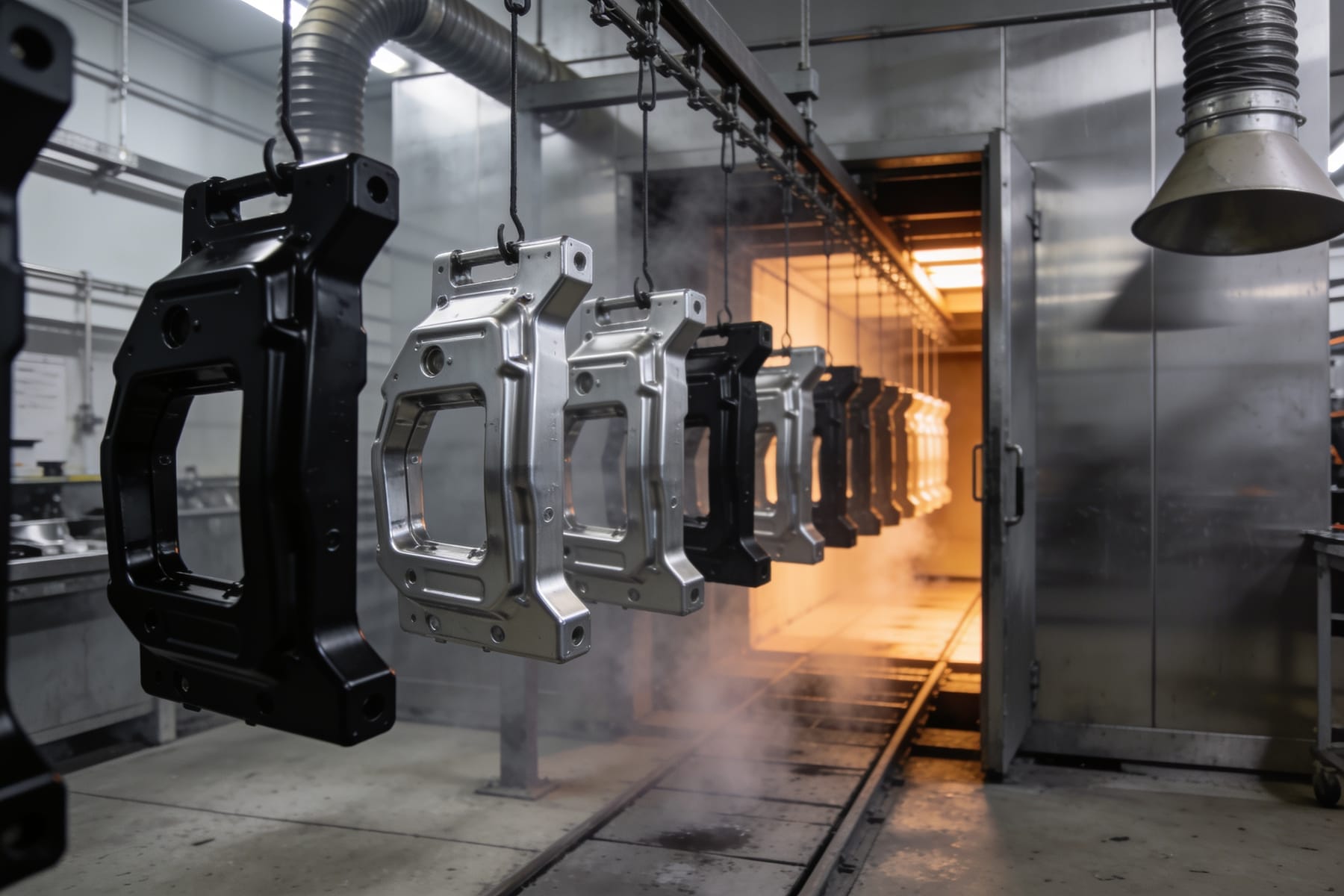
Surface treatment
Proal has broad knowledge of surface treatment methods for die-cast aluminium: blasting, tumbling, ball polishing and complete chromating with subsequent powder coating. Together with you we find the solution that best fits the need.
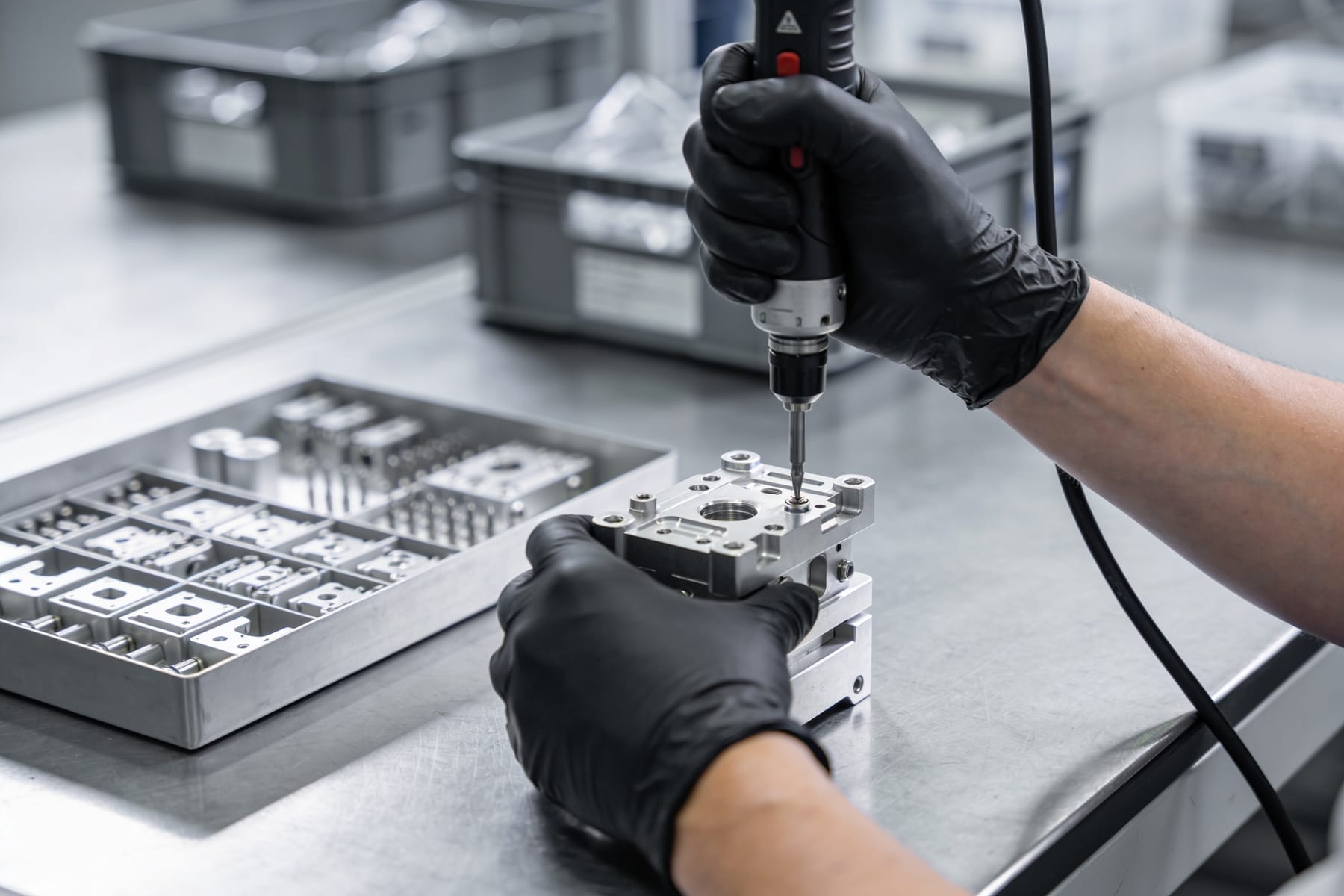
Assembly
We deliver finished products, not semi-finished parts. Manual finishing, pad printing, balancing of parts with high rotational speed requirements, sub-assembly and packaging — all to your specification.
Next step
Got a drawing?
Send it over. You will get a technical assessment and an indicative price from someone who will actually make the part — not from a sales organisation.
We accept STEP, IGES, 3D models and 2D drawings. Confidentiality goes without saying.